The Marianne Vaatstra Case: Experts Unpack Jasper S.'s Conditional Freedom and Unprecedented Area Ban
The name Marianne Vaatstra resonates deeply within Dutch society, synonymous with a horrific crime, a protracted search for justice, and ultimately, a landmark DNA investigation. Now, over two decades after her tragic death, the perpetrator, Jasper S., is being conditionally released, a development that has reignited widespread discussion and sorrow for the victim's family. This article delves into the complexities of Jasper S.'s conditional freedom, exploring the unique legal conditions imposed, the rationale behind them, and the broader implications for Dutch criminal justice, all while examining the enduring impact of the "Marianne Vaatstra Dader" on public consciousness.
The Shockwaves of Conditional Freedom: Jasper S. and the Vaatstra Family's Enduring Grief
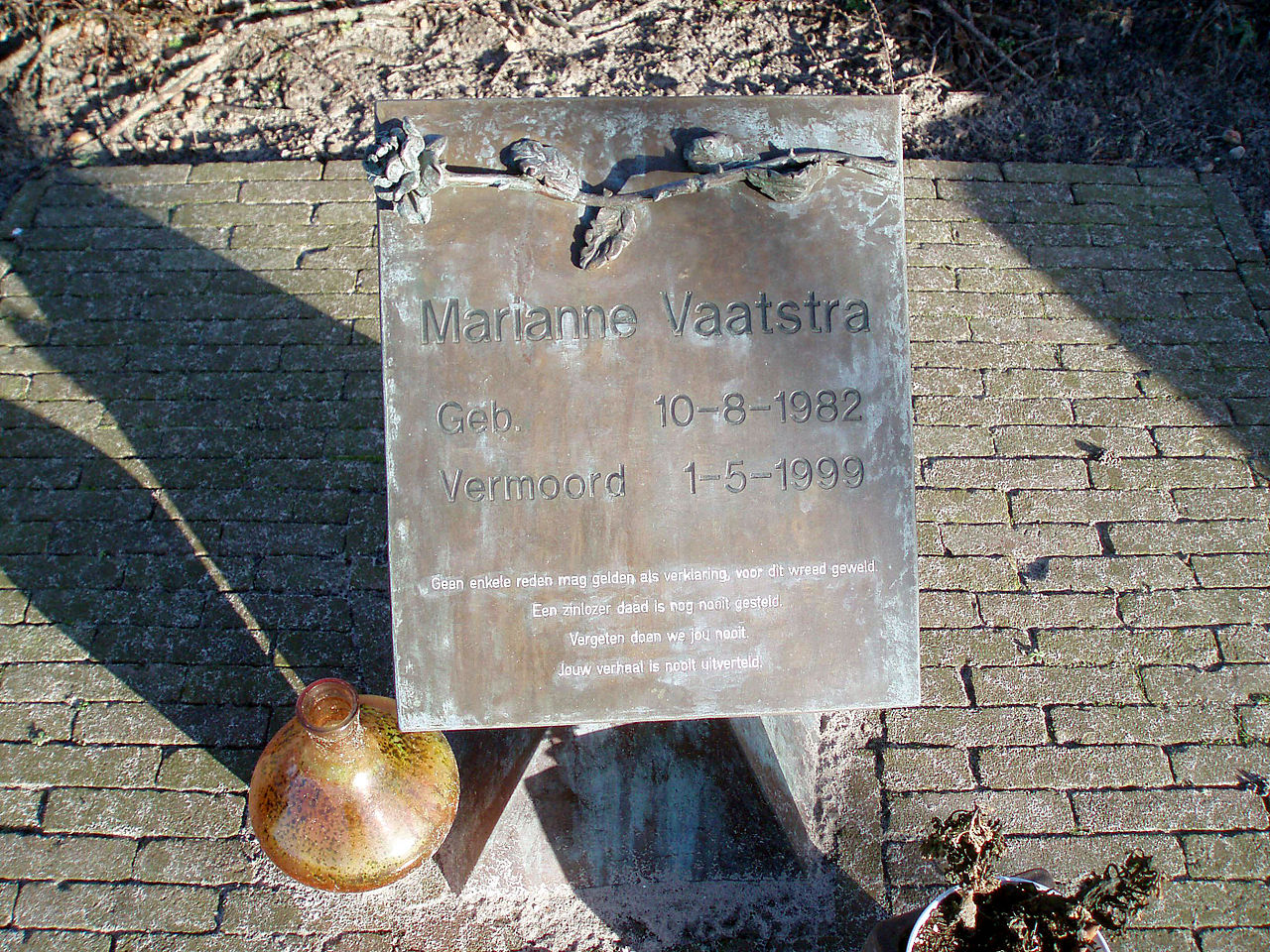
In 1999, the peaceful village of Veenklooster in Friesland was shattered by the brutal rape and murder of 16-year-old Marianne Vaatstra. For years, the case remained unsolved, a chilling mystery haunting the region. It wasn't until a large-scale DNA kinship investigation in 2012, where Jasper S. voluntarily provided genetic material (aware that family members were also participating), that the true identity of the "Marianne Vaatstra Dader" was finally uncovered. The following year, in 2013, Jasper S. was convicted and sentenced to 18 years in prison.
Now, after serving 12 years—two-thirds of his sentence—Jasper S. is set to be released on conditional parole. This early release, a provision under older Dutch legislation, comes with stringent conditions, most notably a comprehensive area ban for the entire northern region of the Netherlands and a strict contact prohibition with the victim's family.
For the Vaatstra family, the news of his impending freedom is a painful reminder of their irreplaceable loss. Their official statement echoes profound sorrow and a sense of injustice: "We will as a family never be free from our loss. Therefore, it feels far too soon and unfair. Through his deed, we have lost Marianne forever. Over all these years, the longing has not lessened; we miss her every single day." This raw emotion highlights the profound and lasting impact that the actions of the "Marianne Vaatstra Dader" continue to have, underscoring the deep divide between legal frameworks and the ongoing suffering of victims' loved ones.
An Unprecedented Condition: Deciphering the North Netherlands Area Ban
One of the most striking aspects of Jasper S.'s conditional release is the geographical scope of his area ban. He is prohibited from entering the provinces of Groningen, Drenthe, and Friesland – a significant portion of northern Holland. This condition has been described by legal experts as "very unique" and "rather special."
Strafrechtdeskundige (criminal law expert) Geert-Jan Knoops noted, "That is rather special. Still a considerable part of the Netherlands. That does not happen often, as far as I know." He suggests that such an expansive prohibition could be motivated by the Public Prosecution Service due to the presence of many of the victim's family members in these provinces. This reasoning aims to provide a degree of psychological safety and prevent inadvertent or intentional encounters that could re-traumatize the family.
Beyond practical considerations, the breadth of this area ban also carries significant symbolic weight. It acknowledges the deep public impact and collective trauma caused by the "Marianne Vaatstra Dader" within the communities of North Netherlands. While most area bans are localized to specific towns or neighborhoods, this expansive restriction underscores the exceptional nature of the Vaatstra case and the enduring sense of shock and violation felt across the region. It serves not only as a protective measure for the family but also as a societal acknowledgment of the gravity of the crime. Such a wide-ranging ban, however, also raises questions about its feasibility and the potential for the perpetrator to challenge its geographic extent. For a deeper dive into the specific provisions and legal intricacies of this unique restriction, read our detailed analysis:
Jasper S. Released: The Unique Area Ban in Marianne Vaatstra Case.
Enforcing the Invisible Line: The Mechanics of Electronic Surveillance and Legal Recourse
The sheer size of the prohibited area – covering three provinces – immediately raises logistical questions about enforcement. How can such a vast ban be effectively monitored? Geert-Jan Knoops believes that electronic surveillance will play a crucial role. "I think it is quite realistic that electronic monitoring will be used," he stated. "Look, you can hardly follow someone 24/7 with a police car. An ankle tag could possibly provide a solution in this case."
Electronic monitoring, typically via a GPS-enabled ankle bracelet, allows authorities to track an individual's movements in real-time, instantly alerting them if a forbidden boundary is crossed. This technology offers a practical and less resource-intensive method of ensuring compliance with the area ban and the contact prohibition. While effective, it does not remove the human element of monitoring, requiring dedicated personnel to respond to alerts and verify compliance.
The consequences of violating these conditions are severe. Knoops emphasizes that given the public reaction to Jasper S.'s early release and the gravity of his original crime, a mere warning would be highly unlikely. "In this case, also given the societal reactions to the fact that he is being released early, I cannot imagine that it would remain a warning," he explained. Any breach of the conditional release terms, including the area ban or contact prohibition, could lead to the revocation of his early freedom, meaning he would have to serve the remaining six years of his 18-year sentence back in prison. This strong deterrent underscores the seriousness with which these conditions are being enforced, aiming to protect the public and uphold the integrity of the justice system. For more insights into the practical challenges and strategies involved in monitoring such an extensive ban, explore our related article:
Monitoring Jasper S.: Unpacking the Dutch Area Ban Enforcement.
The Shifting Sands of Justice: Understanding Dutch Conditional Release Laws
Jasper S.'s ability to be released after serving two-thirds of his sentence is a direct consequence of older Dutch legislation. Knoops clarifies, "It used to be that you could be eligible for early release, for example, after serving two-thirds of your sentence." While a newer law still permits early release, the maximum period has been significantly shortened, typically to no more than two years before the full sentence is completed. This highlights an ongoing evolution in Dutch sentencing policy, balancing rehabilitation goals with public safety concerns and victim rights.
Area bans, particularly those as extensive as Jasper S.'s, are not commonplace. Knoops confirms, "I can say that this is not the rule." Such conditions are usually reserved for cases that provoke substantial public outcry or involve sex offenders. Furthermore, these specific conditions can only be imposed during a period of conditional, early release, not if an individual has served their full sentence. This distinction is crucial; conditional release provides the legal framework through which such restrictions can be enforced, as the individual is still technically under the supervision of the state.
The case of the "Marianne Vaatstra Dader" thus stands as an example of how the legal system attempts to adapt to extraordinary circumstances, navigating the tension between legal precedent, societal expectations, and the ongoing journey of victims and their families towards healing. It underscores the continuous debate within criminal justice about the optimal balance between punishment, rehabilitation, and the imperative of public protection.
Conclusion
The conditional release of Jasper S., the "Marianne Vaatstra Dader," marks another poignant chapter in a case that has profoundly impacted Dutch society. The imposition of an unprecedented area ban across three northern provinces, coupled with electronic surveillance, represents a significant measure to protect the victim's family and address public safety concerns. While rooted in existing legal frameworks, this decision highlights the ongoing complexities of conditional release, the evolving nature of justice systems, and the indelible pain that remains for those directly affected by heinous crimes. As Jasper S. embarks on this new phase of conditional freedom, the case continues to serve as a powerful reminder of the lasting legacy of Marianne Vaatstra and the continuous pursuit of balance between legal justice and societal peace.