Jasper S. Released: The Unique Area Ban in the Marianne Vaatstra Case
The recent conditional release of Jasper S., convicted as the
Marianne Vaatstra Dader, has reignited public debate in the Netherlands, particularly concerning an unprecedented geographical restriction imposed upon him. This isn't merely a standard parole; S. is subject to a unique area ban encompassing the entire northern region of the country, a decision that has drawn both legal scrutiny and emotional responses. As he steps out of prison more than a decade after his conviction, the focus shifts to how such an expansive ban will be enforced and what it signifies for the future of conditional releases in high-profile cases. This article delves into the specifics of this remarkable development, exploring its legal basis, the challenges of its implementation, and the profound impact on all involved.
The Long Shadow of a Cold Case: Marianne Vaatstra's Tragic Fate
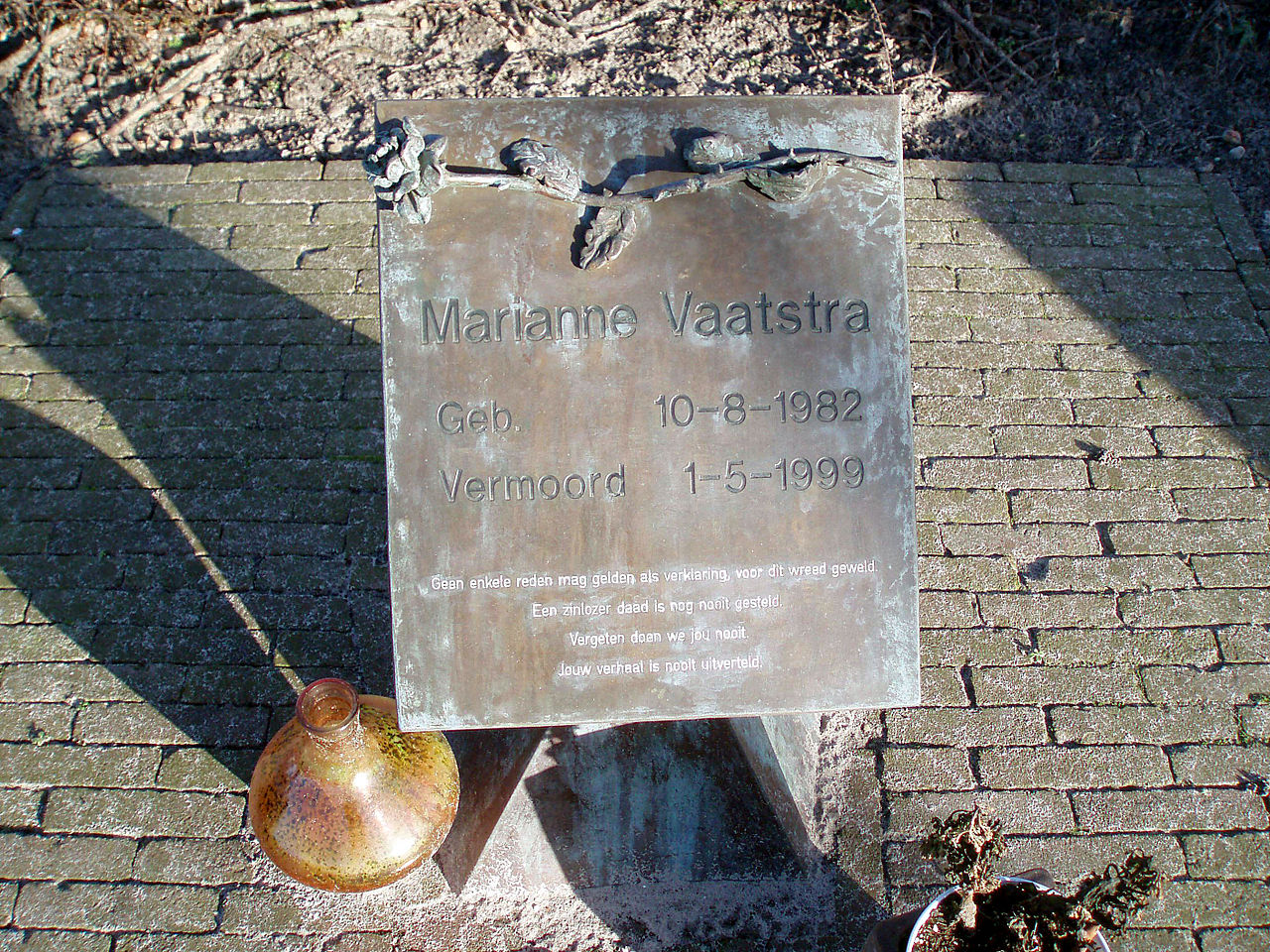
The brutal rape and murder of 16-year-old Marianne Vaatstra in 1999 shocked the small community of Veenklooster in Friesland, the Netherlands. For years, the case remained a harrowing cold case, casting a long shadow over Dutch society and leaving her family in agonizing limbo. Despite extensive investigations, the perpetrator, the "Marianne Vaatstra Dader," remained elusive, deepening the pain of a community longing for justice.
The breakthrough, when it finally came, was a testament to the perseverance of law enforcement and the burgeoning power of forensic science. In a landmark DNA investigation, authorities conducted a large-scale collection of genetic material from men in the region. This voluntary DNA sweep, which saw thousands participate, proved pivotal. Jasper S. himself voluntarily provided his DNA, reportedly unaware that family members had also done so. This familial DNA match ultimately led to his arrest in 2012. The evidence was compelling, and in 2013, Jasper S. was convicted and sentenced to 18 years in prison for his heinous crime. The Vaatstra family, after years of torment, finally had an answer, though the profound loss of Marianne remained. Their subsequent reactions to his early release highlight that while justice may be served in the legal sense, true closure for victims' families is an ongoing, often elusive, battle.
An Unprecedented Restriction: The North-Netherlands Area Ban
One of the most striking aspects of Jasper S.'s conditional release is the imposition of an area ban covering the entirety of North-Netherlands, specifically the provinces of Groningen, Drenthe, and Friesland. This extensive geographical prohibition, covering such a significant portion of the Netherlands, is indeed a rare application of conditional release terms. Legal experts, like criminal law specialist Geert-Jan Knoops, have underscored its exceptional nature, stating that such a broad area ban is "very unique" and "does not happen often" for regions spanning Groningen, Drenthe, and Friesland.
Why So Broad? Understanding the Rationale
The motivation behind such a wide-ranging ban is multi-faceted. Firstly, and perhaps most importantly, is the protection and peace of mind for the victim's family. Given that Marianne Vaatstra's family resides within these northern provinces, prohibiting Jasper S. from entering the area directly addresses their profound suffering and the psychological trauma of potentially encountering their daughter's killer. It acknowledges the family's right to live without the constant fear of accidental encounters, a right that often takes precedence in cases causing significant public distress.
Secondly, the nature of the crime and the intense public reaction it generated play a crucial role. High-profile cases, especially those involving sexual violence and murder, often lead to considerable societal unrest. An area ban can serve to mitigate potential conflicts, demonstrations, or vigilante actions, ensuring public order and safety. It acts as a preventative measure, isolating the offender from the direct emotional fallout and memory of his crime in the region where it occurred.
Lastly, while not explicitly stated, such a ban could also be seen as a condition intended to aid the offender's reintegration into society, albeit in a carefully controlled manner. By creating a clear geographical boundary, it defines the parameters of his freedom and ensures he is far removed from the environment that bears the scars of his past actions. However, Knoops also noted that the sheer geographical size of the ban might prompt the offender to legally challenge it, highlighting the complex legal terrain this unique condition navigates.
The Mechanics of Conditional Freedom: Law, Enforcement, and Consequences
The conditional release of a convicted individual is a complex process, balancing rehabilitation with public safety and victim protection. Jasper S.'s early release, after serving a significant portion of his 18-year sentence, is a direct result of an older legislative framework that allowed for earlier parole eligibility, often after two-thirds of the sentence had been served. While newer laws have tightened these provisions, limiting early release to a maximum of two years, S. falls under the previous regulations, making his release after approximately 12 years a legal consequence of the law applicable at the time of his conviction.
Implementing the Area Ban: The Role of Electronic Monitoring
The vastness of the North-Netherlands area ban immediately raises questions about its practical enforcement. How can one effectively monitor an individual across three large provinces without constant physical surveillance? This is where modern technology steps in. Legal experts anticipate that electronic monitoring, most likely via a GPS ankle bracelet, will be the primary method of enforcement for Jasper S.
An electronic ankle bracelet provides real-time location data, allowing authorities to track the individual's movements with precision. Should Jasper S. attempt to cross the defined boundary into Groningen, Drenthe, or Friesland, an immediate alert would be triggered. This technology offers a robust, albeit not foolproof, solution to the challenges of monitoring an extensive geographical restriction, ensuring accountability without requiring round-the-clock human surveillance. For more insights into the practicalities of such monitoring, you can read
Monitoring Jasper S.: Unpacking the Dutch Area Ban Enforcement.
Conditions of Release and Grave Consequences of Violation
Beyond the area ban, Jasper S.'s conditional freedom comes with other standard restrictions, including a strict contact ban with the victim's family. Any violation of these conditions carries severe consequences. As criminal law expert Knoops emphasizes, given the societal reactions and the high-profile nature of the case, a warning would be highly unlikely. Instead, an infraction would almost certainly lead to the immediate revocation of his conditional release, meaning Jasper S. would be sent back to prison to serve the remainder of his original sentence – in this case, potentially up to six more years. This strict adherence to the conditions underscores the seriousness with which such judicial measures are viewed, particularly when public trust and safety are at stake.
The Human Cost: Family Impact and Public Dialogue
Beyond the legal intricacies and enforcement challenges, the conditional release of the
Marianne Vaatstra Dader carries a profound human cost, most poignantly felt by the victim's family. Their earlier statement – "We will never be free of our loss... Therefore, it feels far too soon and unfair. Through his act, we have lost Marianne forever. Over all these years, the longing does not diminish; we miss her every day" – powerfully conveys their ongoing anguish. For them, the legal framework allowing early release feels like a secondary injustice, prolonging their suffering and challenging their sense of closure.
This family statement resonates deeply within the wider public, fueling a significant societal debate about the balance between an offender's right to rehabilitation and the enduring pain and safety concerns of victims and their communities. It highlights the inherent tension in justice systems that aim to integrate former prisoners back into society while simultaneously acknowledging the indelible scars left by their crimes. The discussion touches upon:
* **Victim's Rights:** How can justice systems better support victims' families throughout the entire legal process, including conditional release?
* **Public Safety vs. Rehabilitation:** Where is the line drawn, especially in cases of extreme violence?
* **Trust in the Justice System:** High-profile cases like Marianne Vaatstra's can profoundly influence public perception of the fairness and efficacy of the legal system.
The unique area ban is, in part, an attempt to navigate these complex ethical waters, offering a compromise that aims to protect the family while upholding the principles of conditional release under existing law.
The release of Jasper S. under a unique and expansive area ban highlights the intricate dilemmas faced by modern justice systems. It underscores the continuous balancing act between the legal principles of rehabilitation, the practicalities of enforcement, and the paramount need to acknowledge and mitigate the enduring pain of victims and their families. This case sets a precedent for how high-profile convictions, decades in the making, can still evoke powerful debates about justice, accountability, and the very definition of freedom within a watchful society. As Jasper S. begins his conditional freedom, his movements will be monitored not just by technology, but by the collective memory and concern of a nation still grappling with the tragic legacy of Marianne Vaatstra.